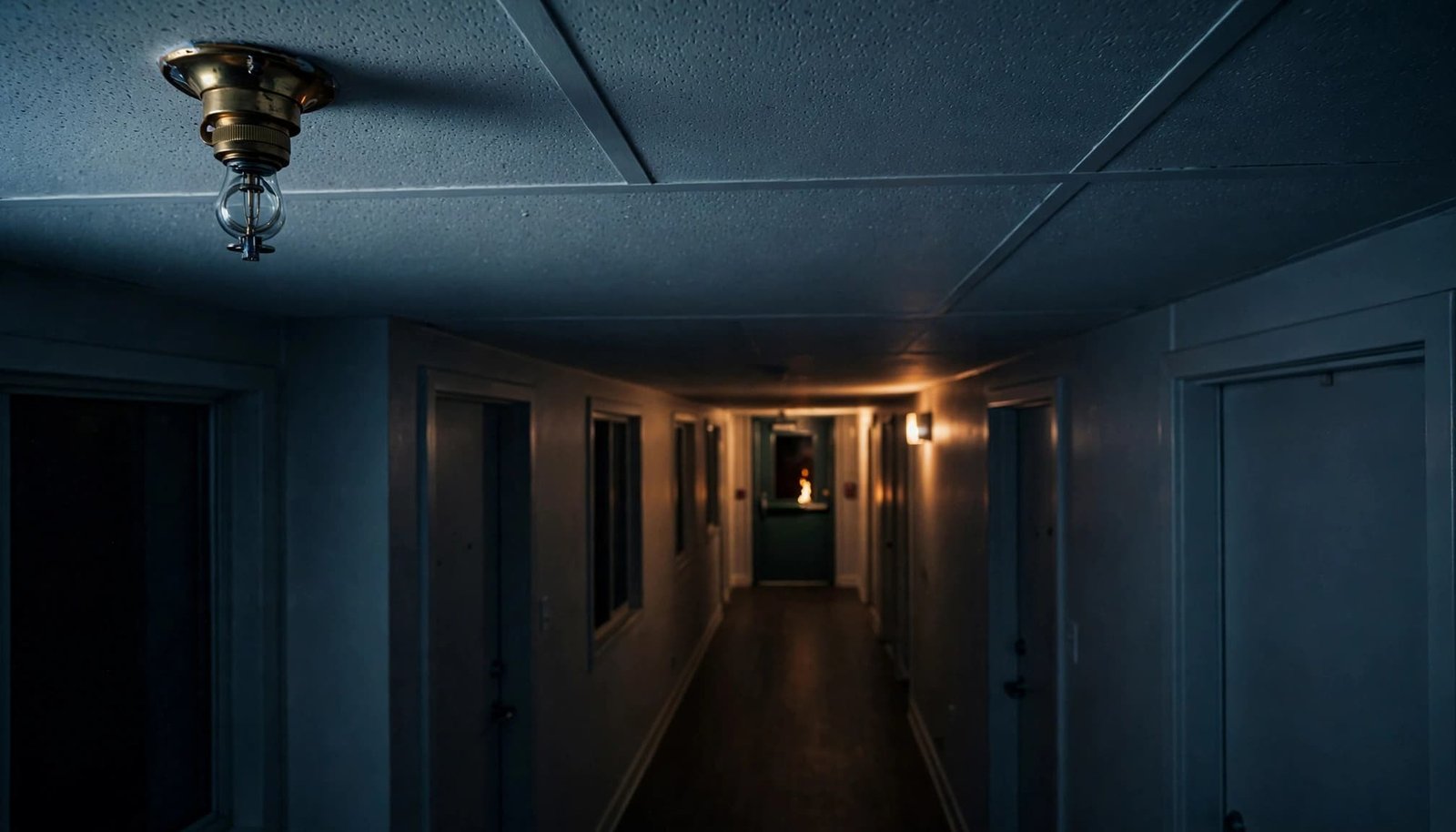
Your lights can go out while your apartment fire sprinklers remain ready to work. In a typical system, heat opens each sprinkler mechanically, but water pressure determines whether it can deliver enough water.
That distinction matters because some buildings need electrically powered fire pumps, while others don’t. A dark hallway tells you little about the sprinkler system’s condition.
Start with what happens at the ceiling, then check what your building needs behind the scenes.
How Apartment Fire Sprinklers Open Without Electricity
Heat opens the sprinkler head
Most apartment sprinkler heads contain a heat-sensitive glass bulb or fusible element. When it reaches its rated temperature, it releases the seal holding back water.
The mechanism doesn’t need a wall outlet, Wi-Fi, or an invitation from the smoke alarm. A power failure alone neither activates the head nor prevents its heat-sensitive element from releasing.
Many residential heads have a temperature rating of 155°F (68°C), although ratings vary. That rating refers to heat at the sprinkler, not the temperature shown on your thermostat.
Each of the sprinkler heads responds individually. Ordinary automatic sprinklers don’t all open together because someone burned toast downstairs.
Opening and supplying water are separate jobs
In a typical wet-pipe system, the pipes already contain water under pressure. Once a head opens, water passes through it and spreads across the protected area.
However, an open sprinkler still needs an adequate supply. Closed valves, damaged piping, lost water pressure, or an unavailable pump can reduce protection.
Some buildings also have dry-pipe or preaction systems in particular areas, such as unheated spaces. Their operation involves additional equipment, so the wet-pipe explanation doesn’t cover every installation.
For renters, the useful distinction is simple: the head’s mechanical operation can survive a blackout, while the complete system’s performance depends on the building.
The Water Supply Determines Blackout Protection
Apartment fire sprinklers may get water directly from a municipal main, from building storage, or through a pumped system. Building height and available water pressure affect the design.
These common arrangements have different dependencies during a power outage.
| Water supply arrangement | What a power outage can mean |
|---|---|
| Municipal main without a required fire pump | Protection can continue if the main maintains adequate pressure and flow. |
| Elevated gravity tank | Stored water can provide pressure, but capacity and refill arrangements matter. |
| Electrically driven fire pump | Losing its electrical supply can prevent the pump from operating. |
| Diesel-driven fire pump | The pump doesn’t rely on utility electricity, but fuel, starting batteries, and maintenance still matter. |
The takeaway: a working city water main helps, but it doesn’t prove every floor has enough sprinkler pressure.
Your kitchen faucet isn’t a sprinkler-system test, either. Domestic plumbing and fire protection may use different pumps, pressure zones, tanks, or supplies. A dry tap neither confirms nor rules out a fire-protection problem.
Some systems include a fire department connection, an exterior inlet that lets firefighters supply water to the system. NFPA explains this role in its guidance on fire department use of sprinklers.
Residents shouldn’t open valves or attach equipment to this connection. Keep it clear and leave its operation to responders.
Fire Pumps and Alarms Have Separate Power Needs
A generator doesn’t automatically cover the fire pump
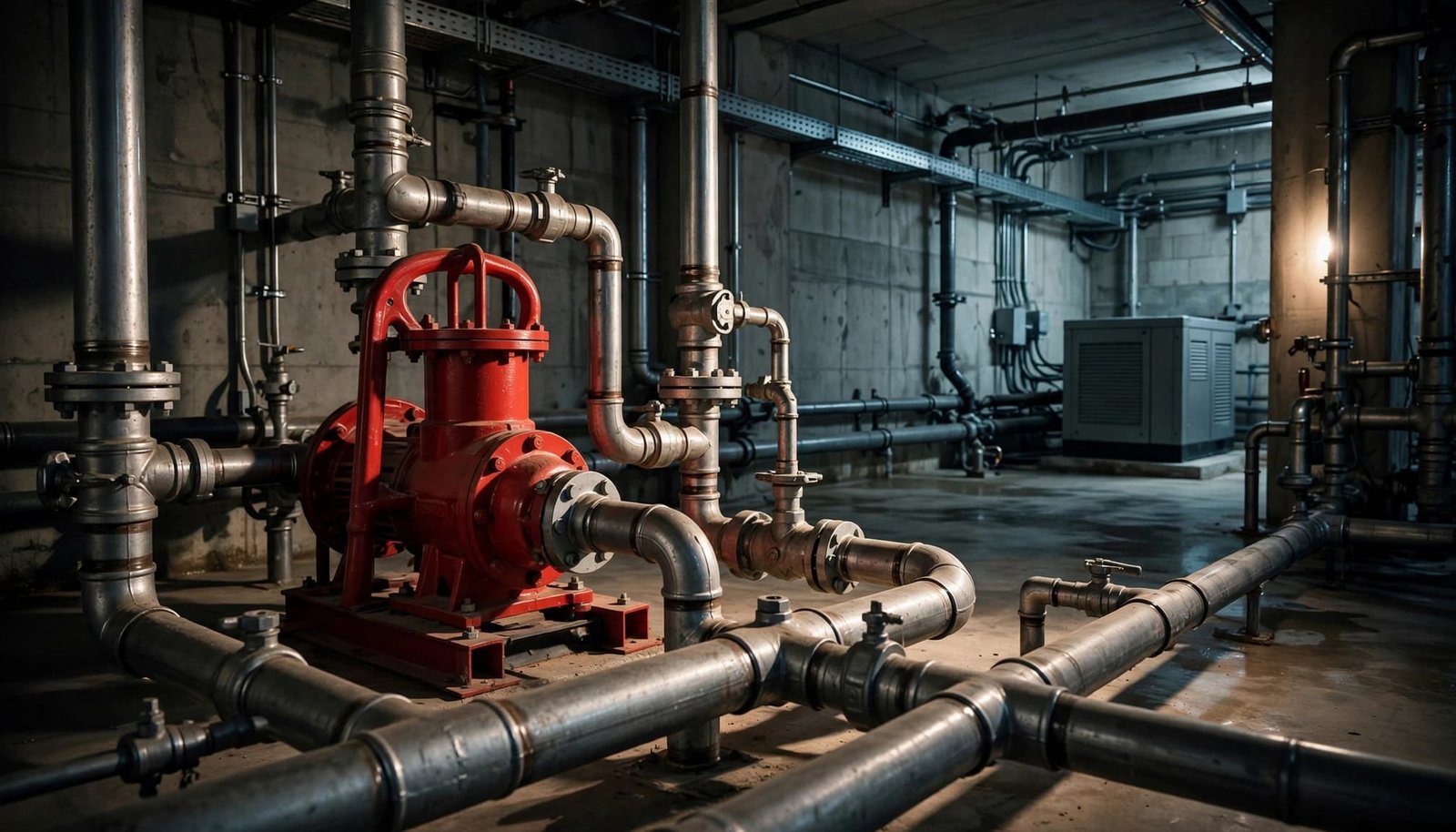
A fire pump supplies the pressure or flow the water source can’t provide on its own. This can matter in taller buildings, where delivering water upstairs requires more pressure.
An electric pump needs a functioning electrical source. Some installations have an alternate supply or generator, but backup power isn’t universal.
FEMA’s emergency power guidance discusses fire-pump power reliability and conditions requiring alternate power. Requirements depend on the installation, adopted codes, and local authority.
A generator running lobby lights doesn’t prove the fire sprinkler system’s pump also has backup power. The building’s approved design and testing records answer that question.
Sprinklers, alarms, and monitoring are different systems
A sprinkler head can open mechanically while electrically powered equipment has problems.
Waterflow alarms, supervisory devices, the fire alarm panel, and off-site communications have their own power requirements. Their backup arrangements may differ from the pump’s supply.
Meanwhile, a hardwired smoke alarm may use its own backup battery. Its chirp doesn’t tell you whether the sprinkler system has pressure.
A quiet alarm panel doesn’t prove the sprinklers are unavailable, and working hallway lights don’t prove the fire pump has power.
Report alarm trouble signals or management notices about reduced protection. Don’t disconnect an alarm, silence building equipment, or reset a fire-pump controller yourself.
What Renters Should Do During a Blackout
When there’s no sign of fire
Use a flashlight or LED lantern instead of candles. In the dark, your furniture already has enough chances to attack your shins.
Keep your apartment exit and shared corridors clear. Write down management’s emergency number, and keep a charged phone power bank within reach.
Ask whether the outage has affected fire protection, emergency lighting, elevators, or building access. These systems can fail independently, so “the generator is working” doesn’t answer every important question.
Follow the building’s emergency plan. A blackout alone doesn’t automatically require evacuation, but a confirmed fire-protection impairment may call for extra precautions or relocation.
When there’s smoke, fire, or an alarm
Treat a fire warning as an emergency. Don’t wait beside a sprinkler to see whether it opens.
Follow the building’s fire procedures and responders’ instructions. Use the stairs, not an elevator, when evacuating. Close doors behind you if it’s safe.
Never enter a smoke-filled hallway or stairwell. If smoke blocks your escape, keep the door closed, call 911, and give your exact location. Follow the dispatcher’s instructions.
If you need mobility assistance, arrange a building-specific plan before an outage. A stopped elevator can make an improvised escape plan dangerous.
Ask Management About Your Building’s Actual Backup
The best question is more precise than “Do the sprinklers work?”
Ask whether the building has a fire pump, what powers it, and what happens when normal electricity fails. Then ask whether any sprinkler, alarm, or monitoring equipment is currently impaired.
A concise message can keep the conversation useful:
“Please confirm whether the outage has affected our sprinkler water supply, fire pump, fire alarms, or monitoring. If protection is reduced, what instructions should residents follow, and when should we expect the next tenant notification?”
Request the building’s emergency procedures before storm season. Include emergency lighting, elevator access, and assistance for residents who can’t use stairs independently.
For property managers, an outage notice should distinguish confirmed equipment status from information still being checked. Name the affected areas and provide the next update time, even if restoration remains uncertain.
A sprinkler-system impairment means some protection is out of service or reduced. It requires an organized response, not hallway guesswork. NFPA’s guidance on properly maintaining a sprinkler system explains the importance of maintenance and impairment management.
Depending on the situation and local requirements, precautions can include fire watch or evacuation. Residents shouldn’t assume that an informal neighbor patrol meets those requirements.
Inspections Keep Sprinklers Ready for Outages
Inspection schedules depend on the equipment
NFPA 25 provides the inspection, testing, and maintenance framework for water-based fire protection. Fire sprinkler inspections vary by component and system.
Quarterly visual checks, annual work, and five-year procedures aren’t identical inspections repeated at different intervals. Visible sprinkler heads generally receive an annual inspection; pumps, valves, gauges, and other equipment have separate requirements.
California Title 19 uses standardized reporting forms. Its water-based fire protection forms distinguish quarterly/annual reporting from five-year work for wet-pipe systems.
Requirements for a control valve and other components depend on the system, applicable code edition, condition, and authority having jurisdiction. Not every five-year visit includes the same internal pipe inspection, pressure testing, or full-flow test.
In multi-unit residential properties, building owners or their designated representatives manage this compliance obligation, often with a maintenance contractor. NFPA 25 guides fire sprinkler inspections, but renters shouldn’t diagnose shared equipment or arrange repairs.
Residents can spot problems without touching equipment
Report painted, corroded, leaking, or visibly damaged sprinkler heads. Don’t scrape paint away, clean the head with chemicals, or hang decorations from it.
Keep storage out of the sprinkler’s discharge area. An 18-inch clearance below sprinklers is a common requirement, but approved arrangements and sprinkler types can differ. Ask management about your building’s rules.
Likewise, don’t cover a concealed sprinkler’s cover plate or treat it as a convenient ceiling hook.
When inspections require apartment access, management should provide notice according to local entry rules. Residents should coordinate access and request accommodations when needed. A clear appointment window beats asking everyone to spend Tuesday guarding the door.
When Electricity Returns, Wait for Confirmation
Restored lights don’t confirm that every fire-protection component has recovered. Equipment may remain damaged, isolated for repairs, or affected by an unresolved water-supply problem.
If management reported an impairment, ask for confirmation that qualified personnel restored the affected protection. Don’t enter a mechanical room to check whether a pump sounds healthy.
Test your apartment’s smoke and carbon monoxide alarms according to their instructions after the outage. Report failed tests, continued trouble signals, or visible damage.
Also, stay away from wet electrical equipment. Report leaks, sparks, or burning-plastic smells immediately, and call emergency services for an immediate hazard.
Photograph damage only from a safe location. Reconnecting your phone charger can wait while a leak near an electrical panel gets proper attention.
Frequently Asked Questions
Do apartment fire sprinklers need electricity to activate?
Most sprinkler heads open mechanically when heat releases a seal, so a power outage alone won’t stop them from activating. They still need an adequate water supply and pressure to discharge water.
Will sprinklers work if the building loses power?
They may, depending on the building’s water supply and equipment. A system that relies on an electrically driven fire pump may be affected if the pump loses power and has no working alternate supply.
Does running water from my faucet mean the sprinklers are working?
No. Domestic plumbing and fire sprinklers may use different water supplies, pumps, or pressure zones, so a working faucet doesn’t confirm sprinkler-system pressure.
What should I do if management says the sprinkler system is impaired?
Follow the building’s instructions and ask which areas are affected, what precautions residents should take, and when the next update is expected. Don’t touch valves or other fire-protection equipment; leave testing and repairs to qualified personnel.
Key Takeaways
- Typical apartment fire sprinklers open through heat-sensitive mechanical parts, so the heads don’t need electricity.
- Adequate water pressure still matters, and an electrically powered fire pump may need an alternate supply.
- Ask management about confirmed system status, follow emergency instructions, and leave testing or repairs to qualified personnel.
A Dark Apartment Doesn’t Mean Unprotected Sprinklers
Apartment fire sprinklers don’t automatically stop working when the power goes out. The key uncertainty is whether the building can still deliver enough water and maintain its other fire-safety systems.
Get those answers from management before an emergency, and keep the building’s instructions accessible without Wi-Fi.
During a fire, prioritize safe escape and emergency help. The sprinkler system has a job; standing underneath it to supervise isn’t yours.