Before a planned power outage, charge your devices, unplug sensitive electronics, and protect refrigerated food. If you rely on powered medical equipment, make your backup plan before the shutoff.
Your building’s shared systems need attention, too: a working light or outlet in your unit doesn’t mean elevators, water pumps, or entrance locks have backup power. Start with the outage notice, then prepare the essentials before the switch flips.
Key Takeaways
- Keep the refrigerator door closed. Food stays cold for about four hours; a full freezer lasts 48 hours and a half-full one 24.
- Use charged batteries and LED lights indoors. A fuel-burning generator, grill, or camp stove doesn’t belong in apartments, hallways, or on balconies.
- Arrange medical support, building access, and transportation before shutoff. Leave one light switched on so you’ll notice when power returns.
Understand Your Apartment’s Planned Power Outage
Save the notice and the right contacts
Save the utility’s text, email, or written notice somewhere you can reach offline. Record the planned outage date, scheduled window, reason for the work, and affected address.
Then save your utility’s outage number and your property manager’s emergency number on your phone and on paper. Your contact list shouldn’t vanish with your Wi-Fi.
Utility work may affect several buildings, while building electrical maintenance may affect only your property or selected units. Renters should ask their landlord about building-specific access arrangements. For utility service interruptions, use the utility’s outage channel.
Get instructions for shared building systems
Ask building management for outage instructions covering the elevator, water pumps, hallway lighting, entrance locks, and garage doors. Backup systems may support only selected equipment, rather than every apartment outlet.
Know how you’ll enter and leave without electronic access. Also arrange for deliveries or visitors outside the outage window where possible.
If you’re a condo owner, coordinate with building management or your association. Ownership of your unit doesn’t make shared electrical equipment a weekend project. Leave work on building wiring and permanent backup systems to authorized professionals.
Before Shutoff, Protect Food and Unplug Appliances
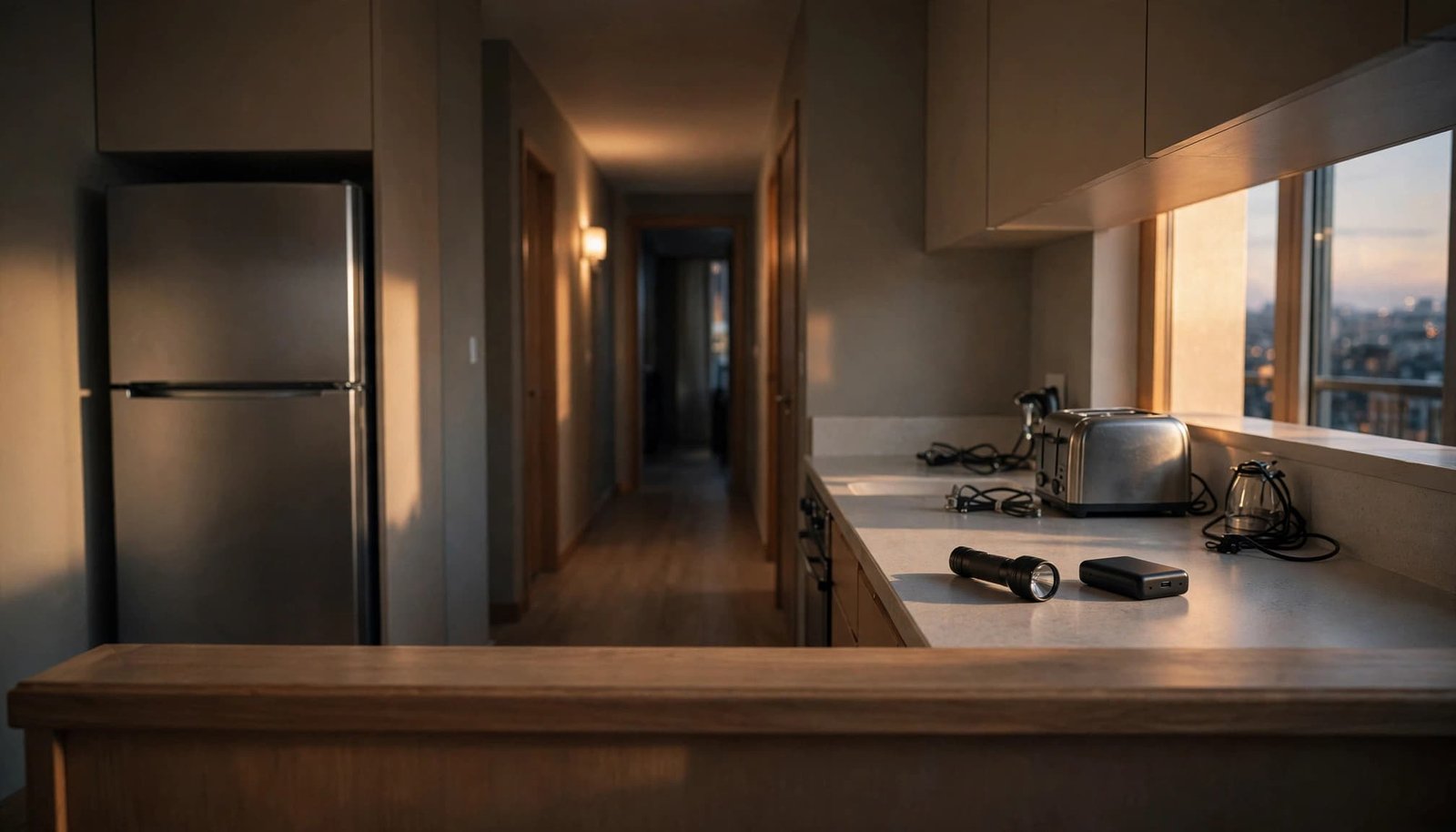
Prepare cold storage before you need it
Put appliance thermometers in your refrigerator and freezer. Keep refrigerator contents at 40°F (4°C) or below, and freeze ice packs ahead of time.
Group frozen food together, as recommended in USDA’s emergency food guidance. More cold contents help hold temperature, but don’t pack the refrigerator so tightly that air can’t circulate.
If the outage will approach four hours, prepare an insulated cooler with ice. Move perishables into the cooler before they warm, keep raw meat sealed separately, and use a thermometer inside.
Set aside no-cook meals beforehand. Your kitchen doesn’t need repeated snack auditions.
Disconnect equipment while you still have light
Shut down computers properly, then unplug computers, TVs, game consoles, routers, and microwaves. Turn off major appliances using their controls, and unplug accessible nonessential equipment where safe.
Switch off portable heaters, air conditioners, and cooking appliances so they won’t restart unattended. Don’t drag a heavy refrigerator across the kitchen to reach its plug.
Our apartment outage unplugging guide covers the device-by-device priorities. A surge protector helps, but unplugging accessible sensitive equipment provides a physical disconnection.
Leave one light switched on as your restoration signal. Keep medical equipment on its planned backup arrangement rather than disconnecting it casually.
Choose Backup Power That Works Indoors
Match your battery to essential devices
Charge your phone, rechargeable lights, and battery power station before shutoff.
A power bank handles phones and other small devices. A larger battery setup can provide backup power, depending on its capacity and output rating. Compare stored energy in watt-hours with your devices’ power demand, and allow for conversion losses.
A router may run on a battery while your provider’s network remains unavailable. A compact station won’t automatically run an air conditioner or refrigerator.
Place battery equipment on a dry, stable surface with clear ventilation. Keep it away from bedding, curtains, and exit paths. Never connect a battery station to an apartment wall outlet to feed the building’s wiring.
Keep fuel-burning equipment out
Never use a fuel-burning generator, gas or propane heater, grill, camp stove, or charcoal appliance inside your apartment, in shared hallways, or on a balcony.
The CDC’s power-outage safety guidance warns that using a generator or fuel-burning cooking equipment indoors can cause carbon monoxide poisoning. Open windows and balconies don’t make these setups safe, and exhaust can enter neighboring apartments.
Use LED lanterns instead of candles. Keep smoke alarms operational, and make sure carbon monoxide alarms work.
For a compact setup, our renter-friendly blackout preparation guide covers supplies without a permanent generator installation.
Arrange Medical Support and Elevator Access
Give medical needs their own plan
If you use oxygen equipment, powered mobility aids, a CPAP machine, or other medical equipment, arrange backup power for essential devices before shutoff. Your clinician or equipment supplier can help set up safe battery support and a backup plan, including an alternative location.
Don’t assume a standard battery or power bank can run medical equipment. Device compatibility and required runtime both matter.
Refrigerated medications need separate handling from groceries. Ask your pharmacist for product-specific temperature limits and cooling instructions. Keep medicine away from direct contact with ice unless its instructions allow it, and arrange transport before refrigeration becomes a problem.
Plan your route before elevators stop
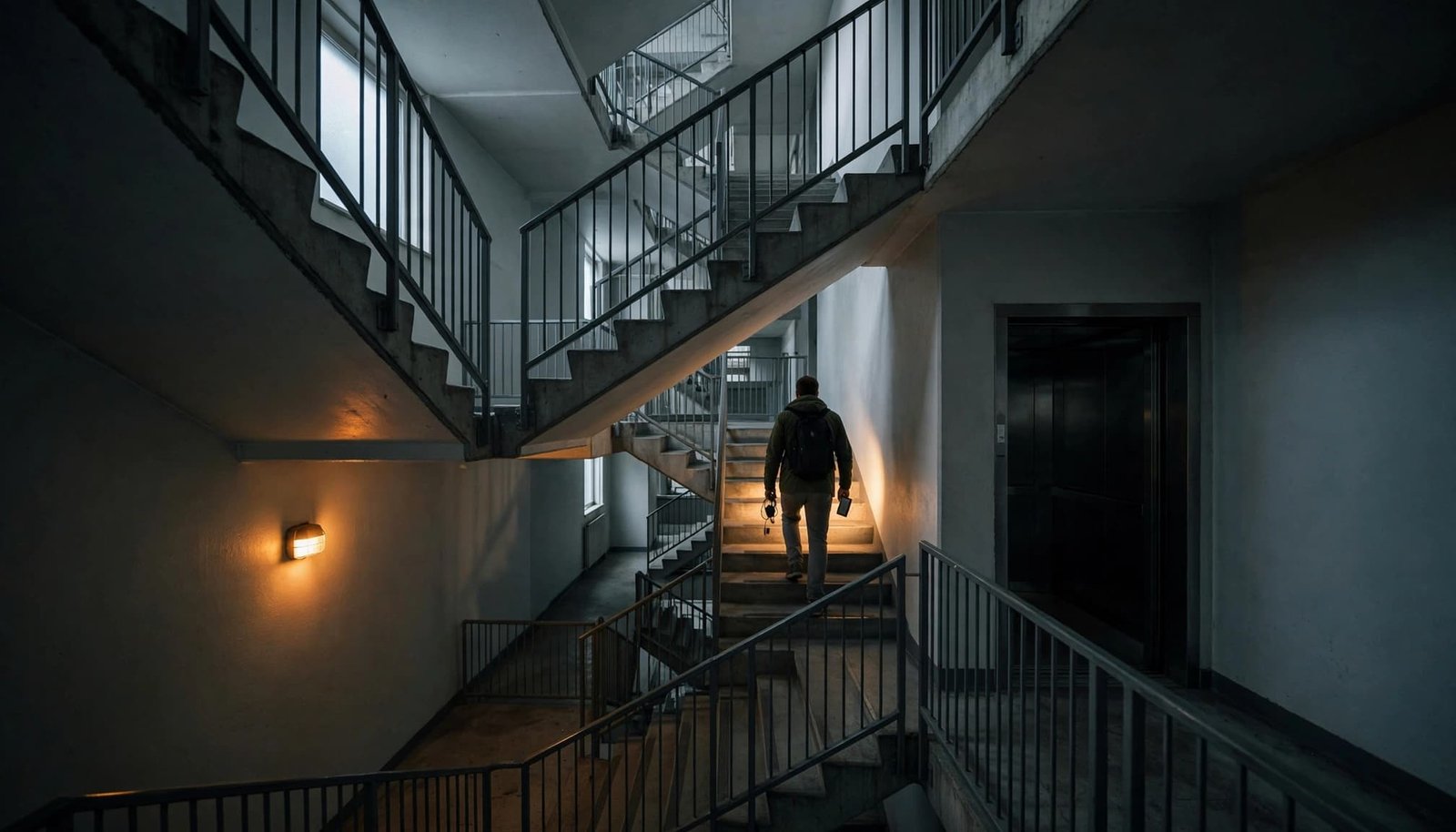
An elevator depends on building power and may stop without an appropriate backup system. Identify your stair route before the outage, including the exit that reaches street level.
If stairs aren’t manageable, arrange a backup plan for an accessible place to stay or transportation before shutoff. Don’t rely on neighbors carrying you or a heavy mobility device downstairs.
Move essential supplies beforehand, and include pets in your transport plan. Carrying a battery station, groceries, and an indignant cat is a poor stairwell strategy.
If you become trapped in an elevator, use its emergency communication system. Don’t force the doors or attempt to climb out.
Use the Final Hour for a Short Walkthrough
Use the final hour before a planned outage to complete these steps while lighting, elevators, and charging outlets still work:
- Finish charging essential devices and unplug chargers you won’t need.
- Move selected perishables into a prepared cooler if the outage will outlast the refrigerator’s safe window.
- Fill drinking-water containers and set out shelf-stable meals, a manual can opener, and pet supplies.
- Keep a flashlight, charged power bank, correct cable, keys, and paper contacts within reach.
- Shut down remaining electronics, turn off cooking equipment, and leave your signal light on.
For renter-friendly storage, keep small outage supplies in one reachable bin inside your apartment. Don’t bury the flashlight behind seasonal decorations or place supplies in shared corridors.
Keep walking routes clear, especially between your bed, bathroom, and exit. Good small-space organization helps when the lights go out.
During the Outage, Keep Cold Air In
Start timing when electricity stops. Keep refrigerator and freezer doors closed, and use the food you set aside instead of opening cold storage repeatedly.
Use these approximate windows when the doors remain closed, following FoodSafety.gov’s outage timing chart.
| Cold storage | Approximate holding time | Your action |
|---|---|---|
| Refrigerator | 4 hours | Move food to an ice-filled cooler before this window ends. |
| Full freezer | 48 hours | Keep the door closed and food grouped together. |
| Half-full freezer | 24 hours | Keep closed and prepare additional cooling sooner. |
These are planning windows, not guarantees for every item. A fuller freezer stays cold longer; refrigerated food still needs the four-hour rule.
After four hours without refrigeration, discard refrigerated perishables unless reliable temperature readings show they remained at 40°F or below. Don’t taste food to judge safety.
Power returning doesn’t reset food’s safety clock. Cooling spoiled food again won’t make it safe.
Meanwhile, conserve phone power and use management’s designated update channel. Cordless phones and internet-based calling may fail without backup power.
Know When to Leave Your Apartment
There’s no universal number of hours you can safely stay without electricity. Indoor temperature, medical needs, water access, and your ability to leave matter more than the clock.
Leave if heat or cold becomes unsafe, required medical support fails, or you can’t safely manage essential needs. Include children, older adults, and pets in that decision.
Contact building management about missing updates or access problems, and tell your landlord about unit or habitability concerns. Contact the utility if the outage extends beyond its reported service area.
Smoke, fire, a carbon-monoxide alarm, or an immediate medical emergency requires emergency services. Don’t wait for a routine maintenance callback.
After Power Returns, Restart Slowly
Wait a few minutes and watch for stable electricity before reconnecting electronics. If lights flicker or power repeatedly drops, keep sensitive equipment disconnected.
Reconnect devices gradually rather than switching everything on together. A surge protector doesn’t make a damaged outlet or unstable power safe, so stop using any outlet or appliance that sparks, buzzes, feels hot, or smells burned. Report electrical faults to management or a licensed electrician.
Check food from the refrigerator before returning to normal meals. The FDA’s outage food-safety guidance explains that frozen food with ice crystals, or a temperature of 40°F or below, can generally be refrozen or cooked.
If an elevator stopped during the outage, wait for building staff or the elevator company to clear it before use. Don’t volunteer as the test passenger.
Finally, recharge backup batteries, replace used supplies, and test smoke and carbon-monoxide alarms.
Frequently Asked Questions
How long will food stay cold during a planned power outage?
A closed refrigerator keeps food cold for about four hours, while a full freezer holds its temperature for about 48 hours and a half-full freezer for about 24 hours. After four hours without refrigeration, discard refrigerated perishables unless reliable temperature readings show they stayed at 40°F or below.
Can I use a generator, grill, or camp stove in my apartment or on a balcony?
No. Never use fuel-burning equipment inside your apartment, in shared hallways, or on a balcony because it can cause carbon monoxide poisoning.
What should I do if the elevator stops during the outage?
Plan your stair route before shutoff, or arrange transportation or an accessible place to stay if stairs aren’t manageable. If you’re trapped in an elevator, use its emergency communication system and don’t force the doors or try to climb out.
How should I prepare powered medical equipment?
Arrange backup power for essential devices before the outage, with help from your clinician or equipment supplier. Don’t assume a standard battery or power bank will run medical equipment, since compatibility and runtime matter.
Make the Shutoff a Manageable Interruption
Prioritize medical needs, safe access, and cold food before the power goes off. Then charge batteries and disconnect vulnerable electronics.
Keep your essentials reachable in one place, and store your building’s contact information offline. Add a flashlight and your medication plan, and make sure you know your exit route.