A power outage doesn’t care whether you own the building or merely rent a cheerful box on the third floor. How renters can prepare for a power outage without installing a generator comes down to portable gear, stored essentials, and a plan that doesn’t require rewiring anything.
A few hours without power is annoying. A longer outage can affect food, water, elevators, medication, building access, and your ability to charge a phone before its battery becomes a tiny red panic symbol.
How Renters Can Prepare for a Power Outage Without Installing a Generator
Start with the boring-but-brilliant basics: get emergency alerts, protect communications, and decide where you’d go if your apartment becomes unsafe. Ready.gov’s power outage guidance is a useful starting point for local alerts and evacuation planning.
Short outages usually call for lights, charged phones, and patience. Longer ones may knock out heat, air conditioning, elevators, water pressure, and internet service. Portable equipment gives renters options without breaking lease rules or punching holes in walls.
Build a renter-friendly outage kit before storm clouds arrive
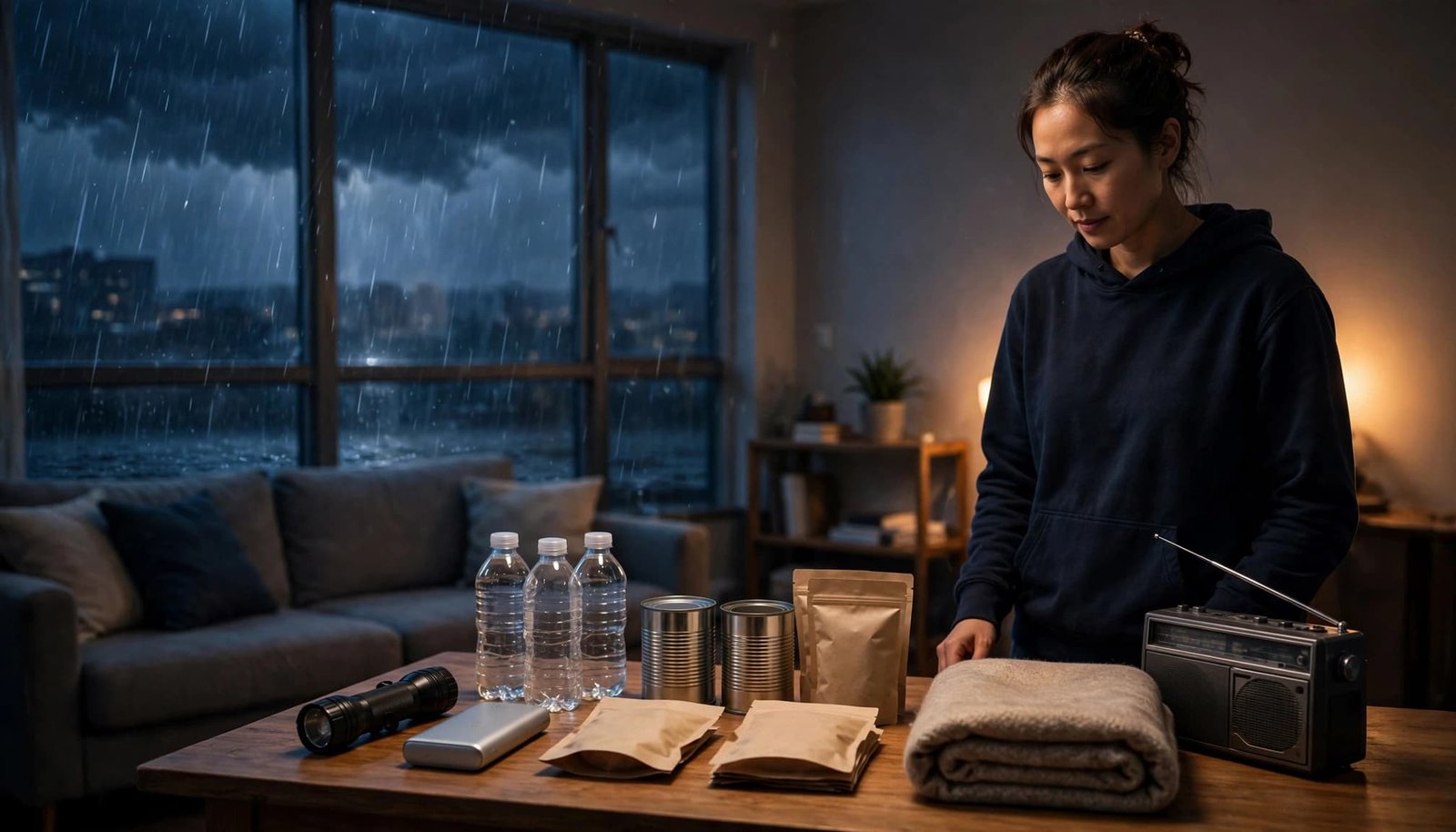
Keep your kit in one obvious spot, not behind seven winter coats and a mystery tote. Pack flashlights or headlamps, spare batteries, charging cables, power banks, bottled water, shelf-stable food, a manual can opener, first-aid supplies, blankets, hygiene items, cash, and copies of important documents.
Add a battery-powered or hand-crank radio. Check batteries, expiration dates, and charging levels twice a year, perhaps when clocks change.
Make room for medical, pet, and mobility needs
List medications, device needs, emergency contacts, pet food, infant supplies, and mobility equipment. Ask your doctor or device manufacturer how much backup power a medical device needs, then keep prescriptions current.
Also plan around apartment logistics. Elevators may stop, secure doors may malfunction, and a neighbor may need assistance. Identify a safe place to stay if your unit gets too hot, too cold, or inaccessible.
Choose Portable Power for an Apartment, Condo, or Rental Home
Portable power is for essentials, not for recreating every appliance in your home. A battery pack can handle a phone. A larger battery station may run a lamp, router, laptop, or fan for a while. Your electric stove, space heater, and air conditioner will eat stored power with the enthusiasm of a raccoon at an open trash can.
Before buying, check the product instructions, your building rules, and lease terms.
Use power banks for phones and small devices
Rechargeable power banks keep phones, e-readers, small lights, and some medical accessories alive. Capacity often appears in milliamp-hours (mAh) or watt-hours (Wh). Watt-hours make comparisons easier because they describe stored energy across different voltage levels.
Choose reputable brands with overcharge, short-circuit, and temperature protections. Several smaller charged packs can be easier to carry and store than one heavy brick.
Consider a portable power station for longer outages
A battery power station produces no exhaust, so it is far safer indoors than a fuel-burning generator. Compare battery capacity, continuous wattage, peak wattage, outlet types, recharge time, weight, warranty, and car or solar-panel charging options.
Read the wattage label before plugging something in. A low-wattage LED lamp can run far longer than a hair dryer or electric kettle. Keep the station dry, give it airflow, and use the cables that came with it.
Never use fuel generators indoors or on a balcony
Gasoline, propane, and other fuel-burning generators belong outdoors and well away from doors, windows, and vents. They never belong in an apartment, garage, hallway, or balcony. Balconies can funnel carbon monoxide toward your unit or a neighbor’s window.
The CDC’s power outage safety advice warns against using generators indoors because carbon monoxide is odorless and can become deadly fast. Approved battery systems are the renter-friendly choice.
A balcony is not an outdoor generator location when exhaust can enter homes or shared building spaces.
Keep Food, Water, and Temperature Under Control
The candlelit novelty expires quickly when the fridge warms up and the apartment starts behaving like a sauna or an icebox. Follow local emergency alerts because each building handles water, heat, and access differently.
Protect refrigerated food without opening the door
Keep refrigerator and freezer doors closed. A refrigerator generally keeps food cold for about four hours. A full freezer can hold safe temperatures for about 48 hours, while a half-full freezer lasts about 24 hours.
The USDA’s emergency food safety guide recommends appliance thermometers and grouping frozen foods together. Discard perishable food that stays above 40 degrees Fahrenheit too long. Never taste questionable food to test it.
Stock water, no-cook meals, and safe lighting
Store at least one gallon of water per person per day, plus extra for pets and medical needs. Canned goods, protein bars, shelf-stable milk, nut butter, and ready-to-eat meals make outage meals less grim. Do not forget the manual can opener, the unsung hero of the pantry shelf.
Use battery lanterns and flashlights instead of candles, especially in a crowded building. Portable stoves require careful attention to manufacturer directions and local rules. Never use an oven, grill, or fuel-burning device to heat an apartment.
Plan for seasonal comfort and building access
Layer clothing and use blankets during cold weather. During heat, close window coverings during sunny hours, use battery fans, and know where local cooling centers are located. Warming centers matter during winter outages.
Save property management’s emergency number in your phone and on paper. Know what to do if elevators, garage doors, security systems, or building entrances stop working.
Coordinate With Your Landlord and Stay Safe When Power Returns
A quick conversation with property management can prevent a lot of hallway guessing. Ask about emergency lighting, elevator backup power, water procedures, resident alerts, approved portable batteries, and emergency contacts.
If the outage causes a leak, spoiled food, or property damage, take photos and keep receipts. Contact renters insurance if your policy may cover the loss.
Protect electronics when electricity comes back
Unplug sensitive electronics during an outage, then reconnect them after power is stable. Use surge protectors where appropriate, and avoid wet cords, damaged outlets, flooded areas, and downed power lines.
Test smoke and carbon monoxide alarms once power returns. Report sparks, buzzing outlets, or burning smells immediately. Electricity should not smell like toasted plastic.
A Small Kit Beats a Big Panic
To prepare for a power outage without installing a generator, renters need compact supplies, charged batteries, safe food and water storage, and a clear building plan. Medical needs, pets, and access issues deserve a spot on that plan before bad weather arrives.
Test your setup during a calm weekend. Charge the power banks, find the flashlight, and settle the only real emergency: which snack gets eaten first.
Pingback: Apartment Power Outage: What to Unplug Safely