A running building generator doesn’t mean every apartment has electricity. Building generator power usually reaches selected circuits, so hallway lights may work while refrigerators, outlets, and air conditioners remain off.
For owners and property managers, the useful question is which systems receive backup power, not simply whether a generator exists. That distinction affects resident safety, access, water service, and outage planning.
Start with the building’s actual backup-power design, because a humming engine tells only part of the story.
Key Takeaways for Building Managers
- A generator powers connected backup circuits within the system’s capacity, not everything under the roof.
- Emergency lighting, fire-protection equipment, elevators, pumps, and ventilation may have different backup arrangements.
- Apartment outlets and comfort cooling need explicit confirmation; residents shouldn’t assume coverage.
- Reliable backup depends on transfer equipment, testing, maintenance, and an operating plan.
Where Building Generator Power Goes
A building generator supplies electrical energy to designated loads through installed distribution equipment. Its coverage depends on the circuits connected, available capacity, controls, and applicable codes.
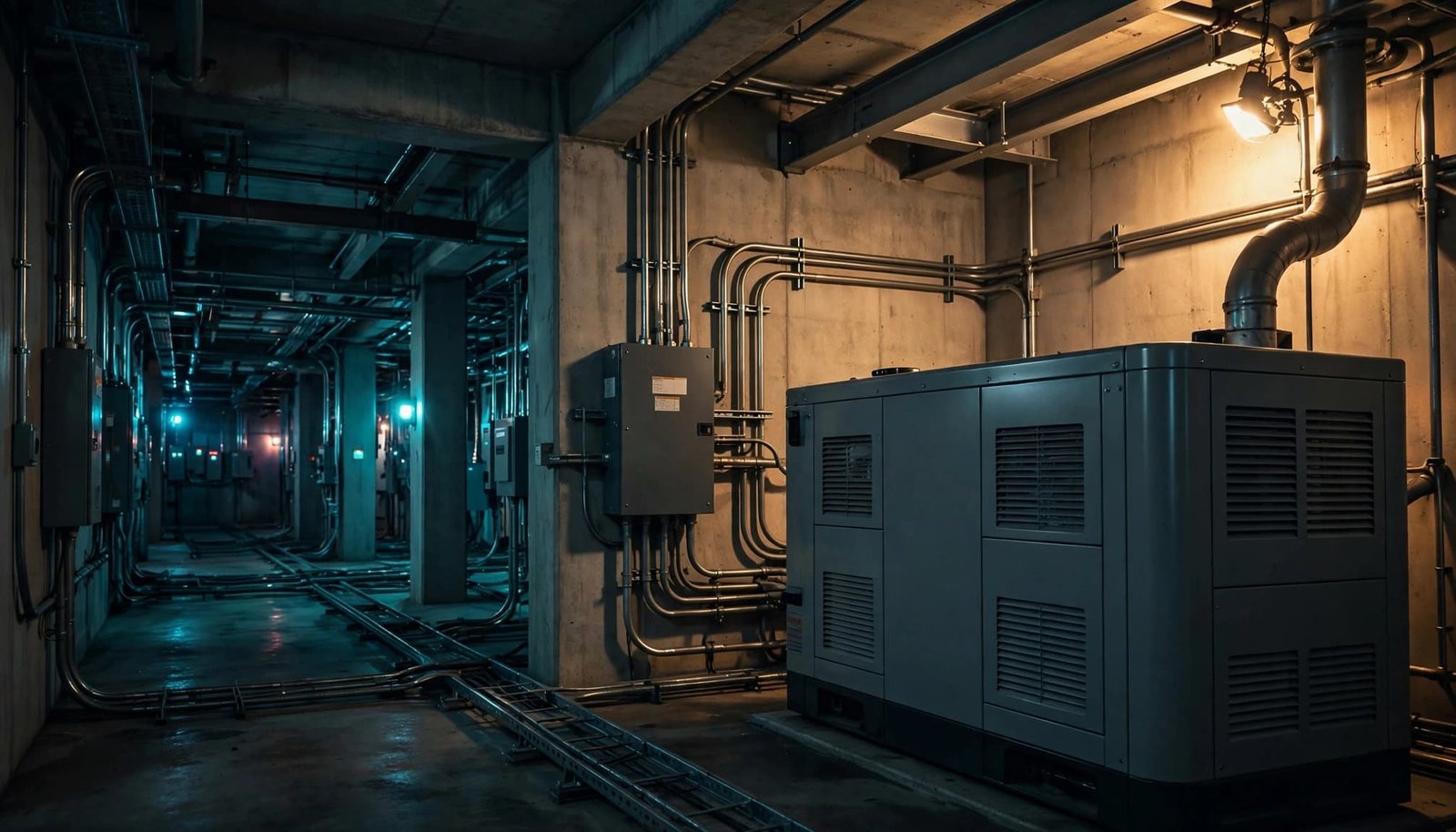
Electrical and building codes distinguish emergency, legally required standby, and optional standby loads. The adopted code and authority having jurisdiction determine classifications; owners don’t get to sort them by personal preference.
These systems warrant a circuit-by-circuit check.
| Building system | What backup may support | What managers must verify |
|---|---|---|
| Egress lighting | Selected corridors, stairs, and exits | Coverage, transfer behavior, and battery support |
| Fire protection | Selected alarms, pumps, and controls | Each system’s approved backup arrangement |
| Elevators | Selected cars or limited emergency functions | Operating mode and supported cars |
| Water and drainage | Booster, sewage, or sump pumps | Connected pumps and startup requirements |
| HVAC | Selected ventilation or heating equipment | Safety functions versus comfort conditioning |
| Resident spaces | Designated outlets or shared facilities | Exact locations and permitted loads |
The takeaway is coverage is system-specific. Fire alarms and emergency lights may also have dedicated batteries, so working equipment doesn’t necessarily prove the generator supplies it.
Likewise, a running generator doesn’t prove every fire-protection component is healthy. Staff must report impairments through the building’s approved procedures.
Elevators and Water Need Separate Answers
Two services cause confusion quickly: getting upstairs and getting water upstairs. Both deserve written answers before the lobby becomes an informal rumor exchange.
Elevator backup may provide limited service
Depending on the installation, backup may support selected elevators, controlled sequencing, or an emergency return function. A battery-assisted landing function and continued generator-powered elevator service are different capabilities.
Ask the elevator contractor which cars operate, what transfer delay occurs, and whether normal passenger use remains available. Include communication equipment and accessibility needs in that review.
Never promise that every elevator will run. Residents should follow building instructions and leave stalled-elevator rescue to trained responders.
Water depends on pumps and the supply
Upper-floor water pressure may depend on electrically powered booster pumps. Sewage ejectors and sump pumps have separate jobs, so backing up one doesn’t establish coverage for the others.
Management should identify each connected pump and its controls. Also confirm whether conditions outside the building could interrupt supply.
Generator power cannot fix a broken water main or make contaminated water drinkable. Stored drinking water and clear resident notices still belong in the outage plan.
Heating and Cooling Usually Involve Tradeoffs
Comfort systems can consume substantial capacity. However, the word “HVAC” hides several different functions, and those functions shouldn’t share one vague promise.
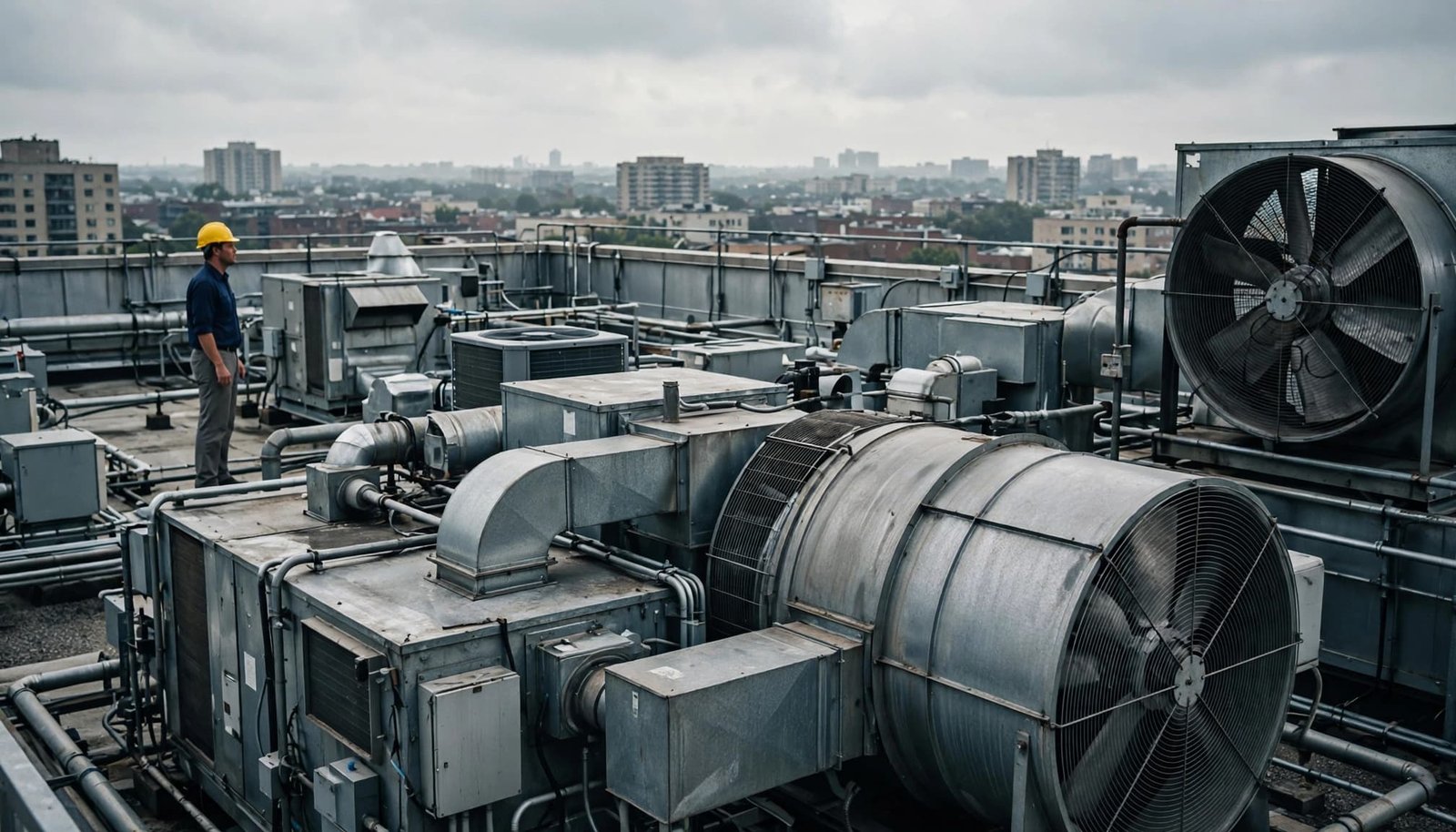
Safety ventilation differs from apartment cooling
Smoke-control equipment, ventilation fans, central chillers, and apartment air conditioners have different purposes and electrical demands. Their required backup arrangements depend on the building and applicable codes.
Therefore, a backed-up ventilation system doesn’t establish that apartments will stay cool. Verify central equipment, distribution fans, controls, and any designated cooled common area separately.
Residents also need a relocation plan when indoor temperatures become unsafe, especially those with medical or mobility needs.
Fuel-fired heating still needs electricity
A boiler or furnace may burn fuel but still require electrical controls, pumps, blowers, or ignition equipment. Backing up those components can support heating only when the complete operating arrangement remains available.
Confirm the full chain rather than checking the boiler alone. Meanwhile, share safe apartment heating guidance with residents whose units lack backup heat.
A cooking oven is never an emergency space heater, regardless of how persuasive a cold apartment feels.
Generator Capacity Includes More Than Running Watts
A generator’s nameplate is useful, but it isn’t a building-wide permission slip. Engineering review must account for actual loads and how they behave together.
Motor startup changes the load
Elevators, pumps, fans, and compressors can demand more power during startup than during steady operation. Several motors starting together can challenge a system that handles their normal operation.
Engineers need equipment data, electrical characteristics, and a load schedule. Connected controls and supporting equipment also count.
Avoid a universal starting-watt multiplier or a household appliance calculator for a commercial building. Actual motor and system requirements deserve an engineering review.
Priority controls keep capacity available
A designed system may sequence motor starts or shed optional loads when necessary. For example, comfort equipment may operate only when higher-priority capacity remains available.
Those decisions belong in the approved design and operating procedures. Staff shouldn’t improvise priority changes at the electrical panel during an outage.
Also distinguish power capacity from operating duration. A generator’s rating doesn’t establish how long the installation can operate. Confirm the documented duration requirement, fuel arrangements, and replenishment plan without turning an estimate into a resident guarantee.
Transfer Equipment and Testing Make Backup Useful
A capable generator needs a reliable path to the equipment. The transfer arrangement and maintenance program matter as much as the engine.
Check the whole electrical path
Transfer equipment selects the approved supply path for connected loads. Building managers need current diagrams, transfer-switch identification, and a clear record of which panels receive backup power.
A common-area panel and an apartment panel may have completely different coverage. Labels should reflect the installation, not somebody’s hopeful marker work.
Have qualified professionals resolve unclear connections or proposed changes. Staff and residents should never create an improvised connection to shared building wiring.
Test service, not just engine operation
NFPA’s overview of NFPA 110 explains the standard’s role in emergency and standby power systems.
Review inspections, exercise records, transfer tests, and corrective work against locally adopted requirements. Coordinate service-affecting tests with building staff and relevant contractors.
An engine can start while an essential system remains unavailable. Verify power reaches the equipment and that the equipment performs its intended function.
Testing should also confirm operating instructions, staff responsibilities, and fault-reporting procedures. Keep those records accessible during an outage, when an online maintenance portal may be taking an unscheduled nap.
What Residents Should Expect Inside Their Apartments
Unless documentation says otherwise, tell residents not to assume their unit’s outlets, refrigerator, internet equipment, or medical devices receive building backup.
Dedicated batteries may be appropriate for personal essentials, subject to manufacturer guidance and building rules. However, a battery station’s watt-hours describe stored energy, while its output rating limits the equipment it can support.
For medical needs, residents should arrange device-specific backup with their provider or supplier. Guidance on CPAP outage planning can support that conversation, but shared building power isn’t a personal medical guarantee.
Management should publish a short outage notice covering supported systems, known limitations, emergency contacts, and relocation procedures. Include accessible formats and a communication method that doesn’t depend entirely on building Wi-Fi.
Explain electronic lock outage procedures before residents discover the entrance reader has stopped cooperating. Also share refrigerator food-safety rules when apartment refrigeration lacks backup.
Portable Generators Aren’t a Substitute for Building Backup
A permanently installed building system and a portable fuel-burning generator have different installation requirements. Residents shouldn’t treat them as interchangeable.
The CPSC’s generator safety guidance says portable generators belong outdoors, at least 20 feet from homes and buildings, with exhaust directed away.
Never operate one in an apartment, hallway, basement, garage, carport, or balcony. An open door doesn’t prevent carbon monoxide exposure, and apartment residents often lack a suitable location.
Permanent installations also need professional siting and exhaust review. The CPSC’s stationary-generator hazard report documents carbon monoxide concerns with stationary equipment; portable-generator guidance doesn’t replace installation requirements.
Never plug a generator into a wall outlet to supply building wiring. Keep residents away from improvised cords and connections. If a carbon monoxide alarm sounds, evacuate and call emergency services.
FAQ: Building Generator Coverage
Can a building generator power every apartment?
Only if the installation was designed and connected for those loads within its capacity. Many systems support selected shared or safety-related equipment instead. Confirm coverage from current electrical documentation, not the generator’s size or sound.
Will backup power keep the internet working?
It may support selected networking equipment if that equipment receives backup power. However, the outside provider’s network may remain unavailable. Working outlets and a glowing router don’t guarantee an internet connection.
Does a working generator mean residents can stay?
A generator alone doesn’t establish safe occupancy. Management must assess fire protection, access, water, indoor temperatures, and other conditions under the building’s emergency plan. Follow official instructions when a system impairment or unsafe condition requires relocation.
Know the Coverage Before the Lights Go Out
A building generator can protect essential services, but its usefulness depends on verified coverage and a maintained system. The strongest outage plan names what works and what doesn’t.
Review the load schedule with qualified contractors, then give residents plain-language expectations. That way, a humming generator brings useful reassurance instead of a building full of assumptions.